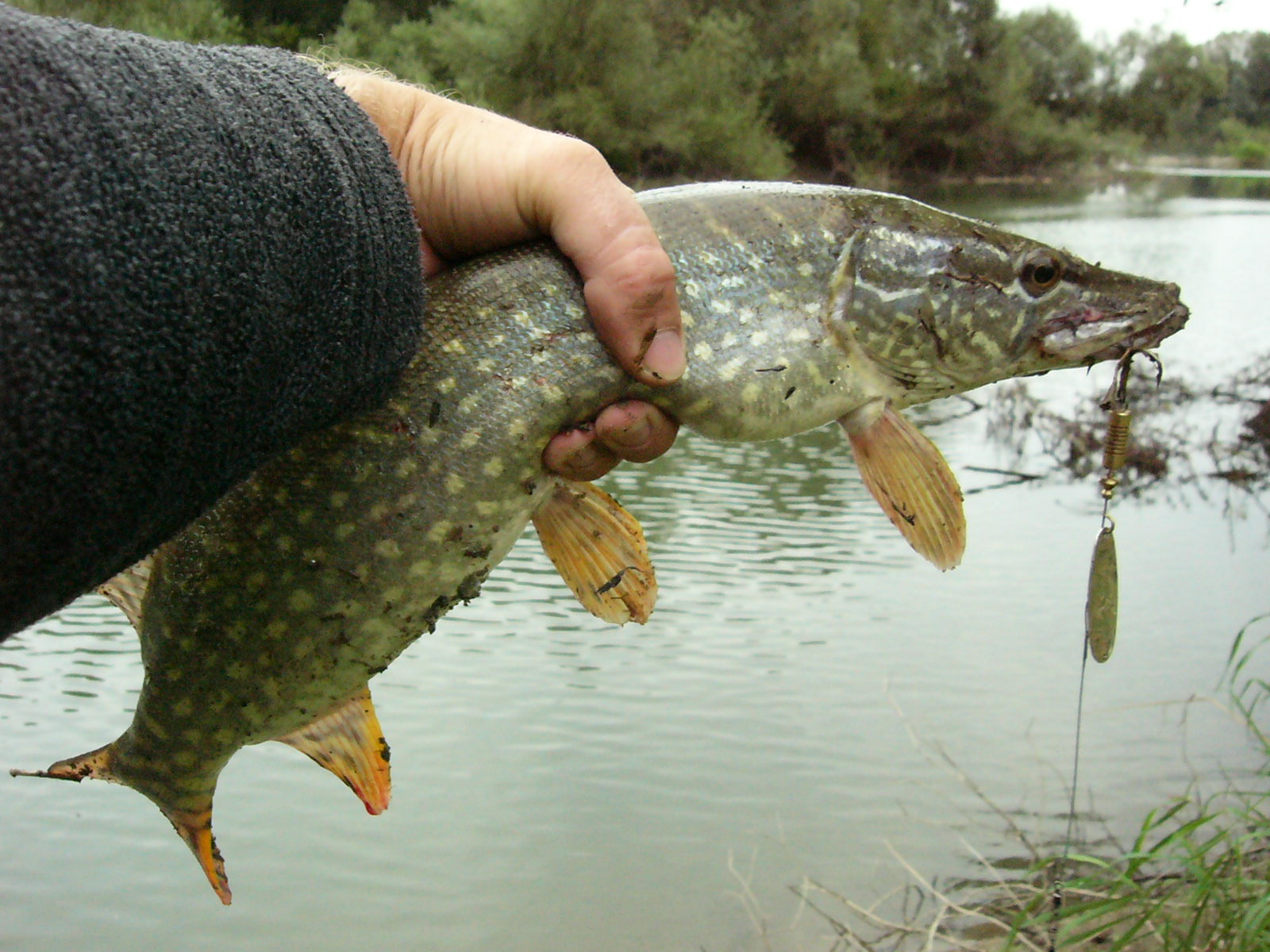
Muskellunge (Muskie) Fishing Guide
Esox masquinongy
Family: Esocidae · Order: Esociformes
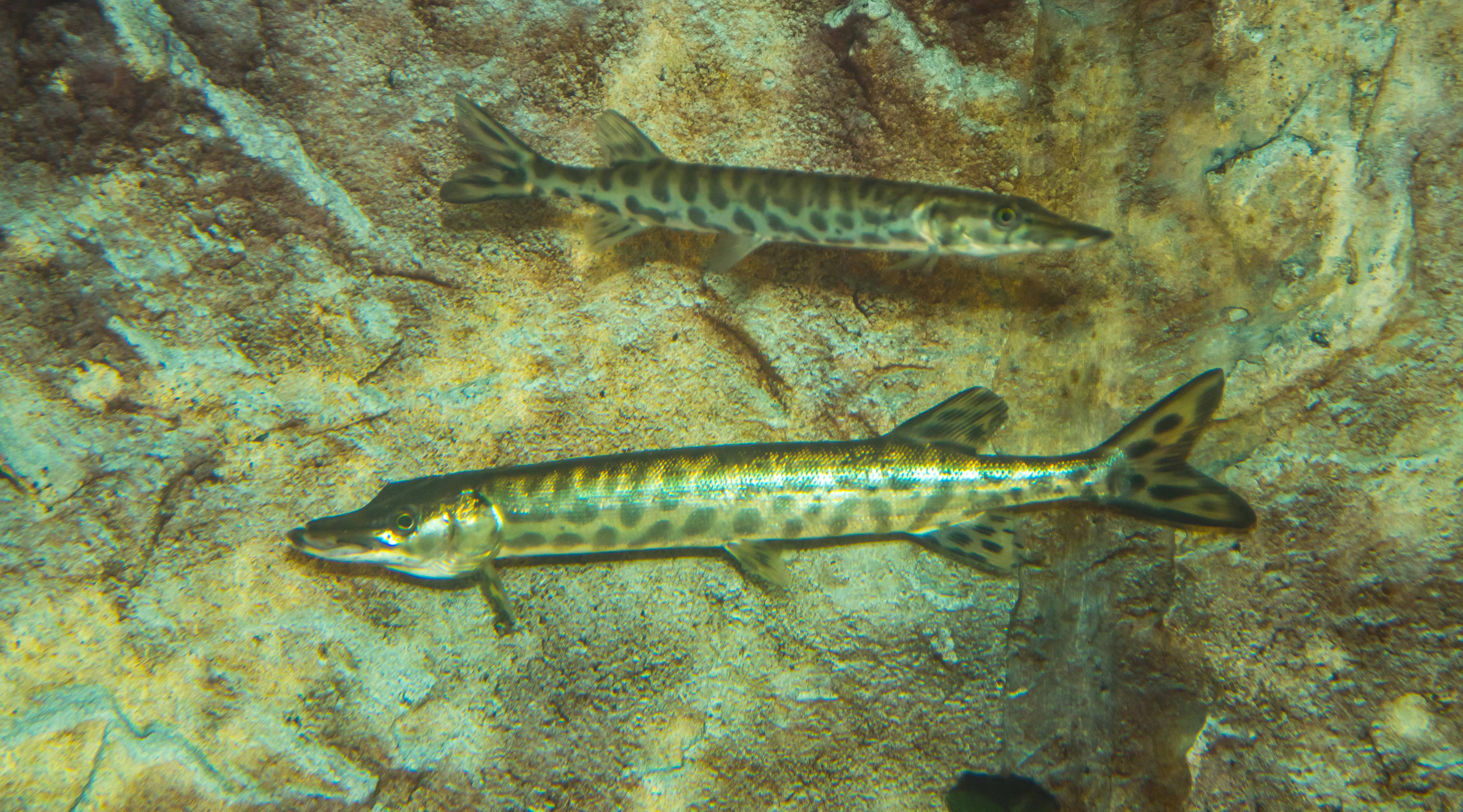
📖 About Muskellunge (Muskie)
The muskellunge — commonly called "muskie" — is the largest member of the pike family and is known as the "fish of ten thousand casts." It is considered the ultimate freshwater trophy fish in North America. Muskies are notoriously difficult to catch, requiring skill, patience, and persistence. When hooked, they are explosive fighters.
💡 Fun Fact: Muskies earned their nickname "fish of ten thousand casts" because dedicated anglers may spend entire seasons casting thousands of times before landing a single fish.
🏆 World Record Muskellunge (Muskie)
🌡️ Water Temperature Range
🌿 Habitat & Behavior
Prefers large, clear lakes and rivers with complex structure. Found near weed edges, rocky points, sunken islands, and creek mouths. Highly territorial.
🍖 Diet & Feeding Behavior
Primarily large fish (suckers, walleye, perch), but will eat waterfowl, muskrats, and other large prey. An apex predator.
🎣 How to Catch Muskellunge (Muskie)
Large lures are key — 8-12 inch bucktails, large glide baits, and topwater lures. Figure-8 your lure at the boat every single cast — muskies follow and strike at the last second. Use heavy tackle (65-80 lb braid, wire leader). Follow-ups at boat are common.
Best Baits & Lures
📡 Current Bite Forecast — Summer 2026
Based on seasonal patterns, optimal temperature range (60.0–72.0°F), and Muskellunge (Muskie) behavior data. Updated monthly.
📅 Monthly Fishing Calendar — Muskellunge (Muskie)
When to target Muskellunge (Muskie) throughout the year based on spawning cycles, temperature preferences, and feeding behavior.
🎯 Expert Techniques for Muskellunge (Muskie)
🪝 Large Crankbaits
Shallow-diving crankbaits in shad patterns (silver/white) are ideal for covering water quickly. Cast past structure and make contact with the bottom — the erratic deflection triggers reaction strikes.
⚖️ Muskellunge (Muskie) Fishing Regulations by State
The following are general guidelines. Always verify current regulations with your state Fish & Wildlife agency before fishing. Regulations change annually.
| State | Min. Size | Daily Bag Limit | Season | License Required |
|---|---|---|---|---|
| Illinois | 8" | 25 fish | Year-round | Yes — Check Illinois regs → |
| Indiana | 9" | 30 fish | Year-round | Yes — Check Indiana regs → |
| Iowa | 10" | 15 fish | Year-round | Yes — Check Iowa regs → |
| Kentucky | None | 25 fish | Year-round | Yes — Check Kentucky regs → |
| Maryland | 8" | 20 fish | Year-round | Yes — Check Maryland regs → |
| Michigan | None | Unlimited fish | Year-round | Yes — Check Michigan regs → |
| Minnesota | 9" | 25 fish | Year-round | Yes — Check Minnesota regs → |
| Missouri | 8" | 25 fish | Year-round | Yes — Check Missouri regs → |
| New York | 9" | 30 fish | Year-round | Yes — Check New York regs → |
| North Carolina | 10" | 15 fish | Year-round | Yes — Check North Carolina regs → |
| Ohio | None | 25 fish | Year-round | Yes — Check Ohio regs → |
| Pennsylvania | 8" | 20 fish | Year-round | Yes — Check Pennsylvania regs → |
| Tennessee | None | Unlimited fish | Year-round | Yes — Check Tennessee regs → |
| Vermont | 9" | 25 fish | Year-round | Yes — Check Vermont regs → |
| Virginia | 8" | 25 fish | Year-round | Yes — Check Virginia regs → |
| West Virginia | 9" | 30 fish | Year-round | Yes — Check West Virginia regs → |
| Wisconsin | 10" | 15 fish | Year-round | Yes — Check Wisconsin regs → |
| Wyoming | None | 25 fish | Year-round | Yes — Check Wyoming regs → |
⚠️ Disclaimer: Regulations listed are for general reference only. Verify all regulations with your state agency before fishing.
🗺️ Waters Currently at Muskellunge (Muskie) Optimal Temperatures
🌡️ Water bodies with temperatures in the optimal range for Muskellunge (Muskie) (60.0–72.0°F). Data from USGS sensors, updated daily.
❓ Frequently Asked Questions
What is the best bait for Muskellunge (Muskie)?
What water temperature do Muskellunge (Muskie) prefer?
What is the world record Muskellunge (Muskie)?
What do Muskellunge (Muskie) eat?
What is the best season for Muskellunge (Muskie) fishing?
What are the fishing regulations for Muskellunge (Muskie)?
What depth do Muskellunge (Muskie) live at?
Caught a Muskellunge (Muskie)? Share Your Report!
Help fellow anglers by sharing your catch details, conditions, and tips.
🎣 Submit a Fishing Report →📊 Species Summary
- Scientific NameEsox masquinongy
- FamilyEsocidae
- Size24.0–60.0 inches
- Max Weight67.00 lbs
- Optimal Temp60.0–72.0°F
- Lifespan10-30 years
- StatusLeast Concern
- World Record67.50 lbs
📍 States Where Found
Found in 18 US states