Sauger Fishing Guide
Sander canadensis
Family: Percidae · Order: Perciformes
📖 About Sauger
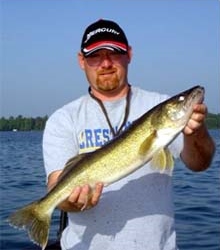
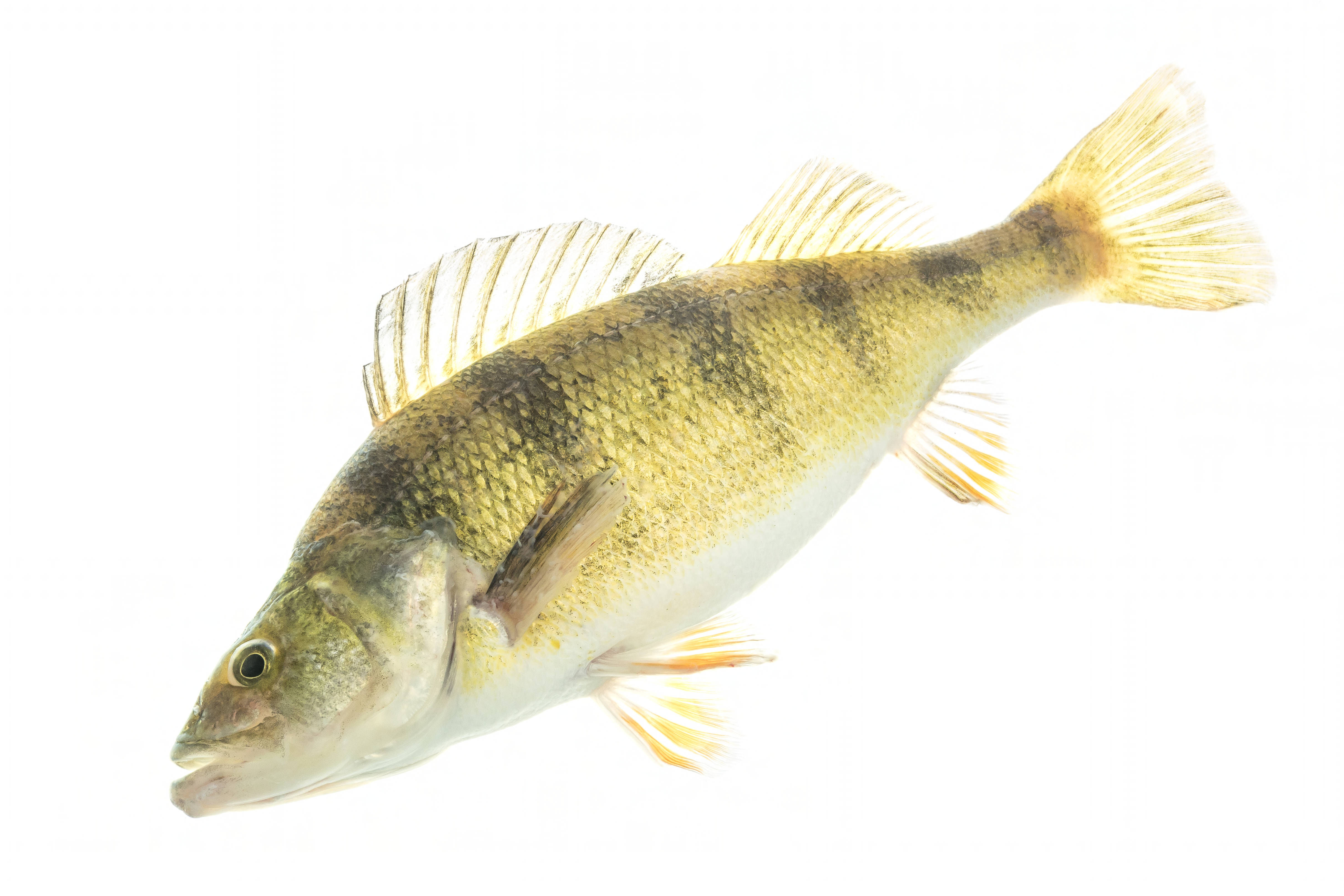
The sauger is the walleye's smaller, scrappier cousin that prefers large, turbid rivers where walleye are less common. Found primarily in the Missouri and Mississippi River systems, sauger are excellent sport fish that bite well in cold water and are popular ice fishing targets. Their "rougher" appearance with distinct blotchy markings distinguishes them from walleye.
💡 Fun Fact: Sauger and walleye readily hybridize, producing a fish called a "saugeye" that combines the sauger's turbidity tolerance with the walleye's larger size — these hybrids are actively stocked in reservoirs.
🏆 World Record Sauger
🌡️ Water Temperature Range
🌿 Habitat & Behavior
Prefers large, turbid rivers and reservoirs with rocky or sandy bottoms. More tolerant of murky water and fast current than walleye.
🍖 Diet & Feeding Behavior
Primarily eats small fish, particularly shad and minnows. Also eats invertebrates and crayfish.
🎣 How to Catch Sauger
Similar tactics to walleye — jig heads tipped with minnows or plastics near rocky bottom structure in current. Dam tailwaters concentrate sauger in winter, providing excellent fishing during cold months when few other species are active.
Best Baits & Lures
📡 Current Bite Forecast — Summer 2026
Based on seasonal patterns, optimal temperature range (50.0–66.0°F), and Sauger behavior data. Updated monthly.
📅 Monthly Fishing Calendar — Sauger
When to target Sauger throughout the year based on spawning cycles, temperature preferences, and feeding behavior.
🎯 Expert Techniques for Sauger
🪝 Jig Heads With Minnows
Small 1/32 to 1/16 oz tube jigs and curly-tail grubs are extremely versatile. Cast near structure and let the jig slowly flutter down — most strikes occur on the fall. Use light 4–6 lb fluorocarbon for the clearest water.
🪝 Jigging Spoons
Small 1/32 to 1/16 oz tube jigs and curly-tail grubs are extremely versatile. Cast near structure and let the jig slowly flutter down — most strikes occur on the fall. Use light 4–6 lb fluorocarbon for the clearest water.
⚖️ Sauger Fishing Regulations by State
The following are general guidelines. Always verify current regulations with your state Fish & Wildlife agency before fishing. Regulations change annually.
| State | Min. Size | Daily Bag Limit | Season | License Required |
|---|---|---|---|---|
| Alabama | 8" | 25 fish | Year-round | Yes — Check Alabama regs → |
| Arkansas | 9" | 30 fish | Year-round | Yes — Check Arkansas regs → |
| Illinois | 10" | 15 fish | Year-round | Yes — Check Illinois regs → |
| Indiana | None | 25 fish | Year-round | Yes — Check Indiana regs → |
| Iowa | 8" | 20 fish | Year-round | Yes — Check Iowa regs → |
| Kansas | None | Unlimited fish | Year-round | Yes — Check Kansas regs → |
| Kentucky | 9" | 25 fish | Year-round | Yes — Check Kentucky regs → |
| Minnesota | 8" | 25 fish | Year-round | Yes — Check Minnesota regs → |
| Mississippi | 9" | 30 fish | Year-round | Yes — Check Mississippi regs → |
| Missouri | 10" | 15 fish | Year-round | Yes — Check Missouri regs → |
| Montana | None | 25 fish | Year-round | Yes — Check Montana regs → |
| Nebraska | 8" | 20 fish | Year-round | Yes — Check Nebraska regs → |
| North Dakota | None | Unlimited fish | Year-round | Yes — Check North Dakota regs → |
| Ohio | 9" | 25 fish | Year-round | Yes — Check Ohio regs → |
| Oklahoma | 8" | 25 fish | Year-round | Yes — Check Oklahoma regs → |
| South Dakota | 9" | 30 fish | Year-round | Yes — Check South Dakota regs → |
| Tennessee | 10" | 15 fish | Year-round | Yes — Check Tennessee regs → |
| West Virginia | None | 25 fish | Year-round | Yes — Check West Virginia regs → |
| Wisconsin | 8" | 20 fish | Year-round | Yes — Check Wisconsin regs → |
| Wyoming | None | Unlimited fish | Year-round | Yes — Check Wyoming regs → |
⚠️ Disclaimer: Regulations listed are for general reference only. Verify all regulations with your state agency before fishing.
🗺️ Waters Currently at Sauger Optimal Temperatures
🌡️ Water bodies with temperatures in the optimal range for Sauger (50.0–66.0°F). Data from USGS sensors, updated daily.
❓ Frequently Asked Questions
What is the best bait for Sauger?
What water temperature do Sauger prefer?
What is the world record Sauger?
What do Sauger eat?
What is the best season for Sauger fishing?
What are the fishing regulations for Sauger?
What depth do Sauger live at?
Caught a Sauger? Share Your Report!
Help fellow anglers by sharing your catch details, conditions, and tips.
🎣 Submit a Fishing Report →📊 Species Summary
- Scientific NameSander canadensis
- FamilyPercidae
- Size8.0–20.0 inches
- Max Weight8.00 lbs
- Optimal Temp50.0–66.0°F
- Lifespan7-10 years
- StatusLeast Concern
- World Record8.75 lbs
📍 States Where Found
Found in 20 US states