Largemouth Bass Fishing Guide
Micropterus salmoides
Family: Centrarchidae · Order: Perciformes
📖 About Largemouth Bass
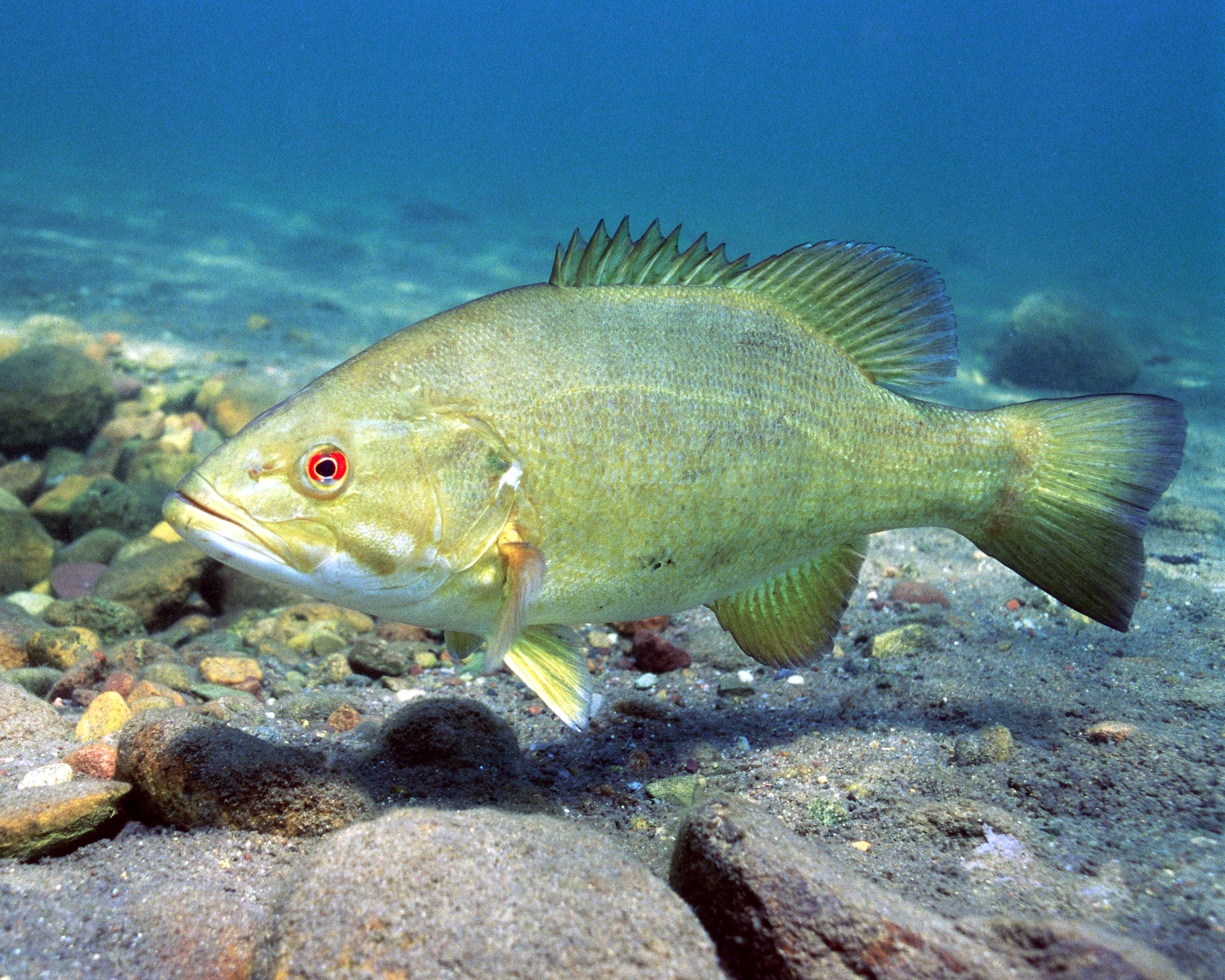
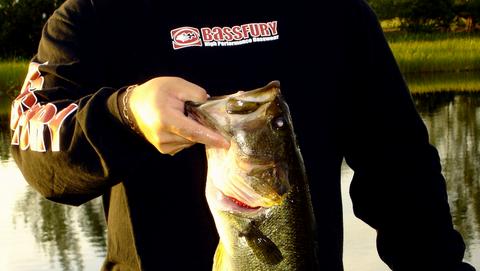
The largemouth bass is America's most popular freshwater sport fish. Known for its aggressive strikes and powerful fights, it inhabits warm, weedy lakes, ponds, rivers, and reservoirs across the United States. Largemouth bass are ambush predators that hide in vegetation, submerged structures, and along drop-offs to attack prey.
💡 Fun Fact: Largemouth bass can open their mouth to nearly the size of their own body width, creating a powerful vacuum to engulf prey.
🏆 World Record Largemouth Bass
🌡️ Water Temperature Range
🌿 Habitat & Behavior
Prefers warm, shallow water with abundant vegetation, fallen trees, dock pilings, and rocky structure. Found near shorelines, weed beds, and submerged timber.
🍖 Diet & Feeding Behavior
Opportunistic predator feeding on shad, bluegill, frogs, crayfish, mice, ducklings, snakes, and virtually any creature that fits in its mouth.
🎣 How to Catch Largemouth Bass
Fish near structure — docks, fallen logs, and weed edges. Early morning and late evening are prime times. Work topwater lures during low-light hours. In summer heat, go deep to find fish holding on structure at 15-25 feet.
Best Baits & Lures
📡 Current Bite Forecast — Summer 2026
Based on seasonal patterns, optimal temperature range (65.0–80.0°F), and Largemouth Bass behavior data. Updated monthly.
📅 Monthly Fishing Calendar — Largemouth Bass
When to target Largemouth Bass throughout the year based on spawning cycles, temperature preferences, and feeding behavior.
🎯 Expert Techniques for Largemouth Bass
🪝 Plastic Worms
A 4-inch finesse worm Texas-rigged on a 1/16 oz weight is one of the most versatile lures. Drag it slowly along the bottom or hop it near submerged logs and brush piles.
🪝 Crankbaits
Shallow-diving crankbaits in shad patterns (silver/white) are ideal for covering water quickly. Cast past structure and make contact with the bottom — the erratic deflection triggers reaction strikes.
🪝 Jigs
Small 1/32 to 1/16 oz tube jigs and curly-tail grubs are extremely versatile. Cast near structure and let the jig slowly flutter down — most strikes occur on the fall. Use light 4–6 lb fluorocarbon for the clearest water.
🪝 Spinnerbaits
A 1/8 to 1/4 oz single-blade spinnerbait retrieved slowly just above submerged cover triggers explosive strikes during low-light periods. White or chartreuse blades produce best in stained water.
⚖️ Largemouth Bass Fishing Regulations by State
The following are general guidelines. Always verify current regulations with your state Fish & Wildlife agency before fishing. Regulations change annually.
| State | Min. Size | Daily Bag Limit | Season | License Required |
|---|---|---|---|---|
| Alabama | 8" | 25 fish | Year-round | Yes — Check Alabama regs → |
| Alaska | 9" | 30 fish | Year-round | Yes — Check Alaska regs → |
| Arizona | 10" | 15 fish | Year-round | Yes — Check Arizona regs → |
| Arkansas | None | 25 fish | Year-round | Yes — Check Arkansas regs → |
| California | 8" | 20 fish | Year-round | Yes — Check California regs → |
| Colorado | None | Unlimited fish | Year-round | Yes — Check Colorado regs → |
| Connecticut | 9" | 25 fish | Year-round | Yes — Check Connecticut regs → |
| Delaware | 8" | 25 fish | Year-round | Yes — Check Delaware regs → |
| Florida | 9" | 30 fish | Year-round | Yes — Check Florida regs → |
| Georgia | 10" | 15 fish | Year-round | Yes — Check Georgia regs → |
| Hawaii | None | 25 fish | Year-round | Yes — Check Hawaii regs → |
| Idaho | 8" | 20 fish | Year-round | Yes — Check Idaho regs → |
| Illinois | None | Unlimited fish | Year-round | Yes — Check Illinois regs → |
| Indiana | 9" | 25 fish | Year-round | Yes — Check Indiana regs → |
| Iowa | 8" | 25 fish | Year-round | Yes — Check Iowa regs → |
| Kansas | 9" | 30 fish | Year-round | Yes — Check Kansas regs → |
| Kentucky | 10" | 15 fish | Year-round | Yes — Check Kentucky regs → |
| Louisiana | None | 25 fish | Year-round | Yes — Check Louisiana regs → |
| Maine | 8" | 20 fish | Year-round | Yes — Check Maine regs → |
| Maryland | None | Unlimited fish | Year-round | Yes — Check Maryland regs → |
| Massachusetts | 9" | 25 fish | Year-round | Yes — Check Massachusetts regs → |
| Michigan | 8" | 25 fish | Year-round | Yes — Check Michigan regs → |
| Minnesota | 9" | 30 fish | Year-round | Yes — Check Minnesota regs → |
| Mississippi | 10" | 15 fish | Year-round | Yes — Check Mississippi regs → |
| Missouri | None | 25 fish | Year-round | Yes — Check Missouri regs → |
| Montana | 8" | 20 fish | Year-round | Yes — Check Montana regs → |
| Nebraska | None | Unlimited fish | Year-round | Yes — Check Nebraska regs → |
| Nevada | 9" | 25 fish | Year-round | Yes — Check Nevada regs → |
| New Hampshire | 8" | 25 fish | Year-round | Yes — Check New Hampshire regs → |
| New Jersey | 9" | 30 fish | Year-round | Yes — Check New Jersey regs → |
| New Mexico | 10" | 15 fish | Year-round | Yes — Check New Mexico regs → |
| New York | None | 25 fish | Year-round | Yes — Check New York regs → |
| North Carolina | 8" | 20 fish | Year-round | Yes — Check North Carolina regs → |
| North Dakota | None | Unlimited fish | Year-round | Yes — Check North Dakota regs → |
| Ohio | 9" | 25 fish | Year-round | Yes — Check Ohio regs → |
| Oklahoma | 8" | 25 fish | Year-round | Yes — Check Oklahoma regs → |
| Oregon | 9" | 30 fish | Year-round | Yes — Check Oregon regs → |
| Pennsylvania | 10" | 15 fish | Year-round | Yes — Check Pennsylvania regs → |
| Rhode Island | None | 25 fish | Year-round | Yes — Check Rhode Island regs → |
| South Carolina | 8" | 20 fish | Year-round | Yes — Check South Carolina regs → |
| South Dakota | None | Unlimited fish | Year-round | Yes — Check South Dakota regs → |
| Tennessee | 9" | 25 fish | Year-round | Yes — Check Tennessee regs → |
| Texas | 8" | 25 fish | Year-round | Yes — Check Texas regs → |
| Utah | 9" | 30 fish | Year-round | Yes — Check Utah regs → |
| Vermont | 10" | 15 fish | Year-round | Yes — Check Vermont regs → |
| Virginia | None | 25 fish | Year-round | Yes — Check Virginia regs → |
| Washington | 8" | 20 fish | Year-round | Yes — Check Washington regs → |
| West Virginia | None | Unlimited fish | Year-round | Yes — Check West Virginia regs → |
| Wisconsin | 9" | 25 fish | Year-round | Yes — Check Wisconsin regs → |
| Wyoming | 8" | 25 fish | Year-round | Yes — Check Wyoming regs → |
⚠️ Disclaimer: Regulations listed are for general reference only. Verify all regulations with your state agency before fishing.
🗺️ Waters Currently at Largemouth Bass Optimal Temperatures
🌡️ Water bodies with temperatures in the optimal range for Largemouth Bass (65.0–80.0°F). Data from USGS sensors, updated daily.
❓ Frequently Asked Questions
What is the best bait for Largemouth Bass?
What water temperature do Largemouth Bass prefer?
What is the world record Largemouth Bass?
What do Largemouth Bass eat?
What is the best season for Largemouth Bass fishing?
What are the fishing regulations for Largemouth Bass?
What depth do Largemouth Bass live at?
Caught a Largemouth Bass? Share Your Report!
Help fellow anglers by sharing your catch details, conditions, and tips.
🎣 Submit a Fishing Report →📊 Species Summary
- Scientific NameMicropterus salmoides
- FamilyCentrarchidae
- Size8.0–24.0 inches
- Max Weight22.00 lbs
- Optimal Temp65.0–80.0°F
- Lifespan10-16 years
- StatusLeast Concern
- World Record22.25 lbs
📍 States Where Found
Found in 50 US states